


Picasso's Mastery: Abstract Art Explored
- Jacqueline Hurley
- Oct 13, 2025
- 4 min read

When you think of abstract art, one name inevitably comes to mind: Pablo Picasso. His work revolutionised the art world and continues to inspire collectors, interior designers, and art lovers alike. But what exactly makes Picasso's abstract techniques so captivating? How did he manage to blend emotion, form, and colour into pieces that speak to us across generations? Let’s dive into the world of Picasso’s abstract art and uncover the secrets behind his mastery.
Understanding Picasso's Abstract Techniques
Picasso didn’t just paint; he transformed the way we see art. His abstract techniques broke away from traditional realism and embraced a new visual language. Instead of replicating the world as it appears, Picasso focused on representing the essence of his subjects through fragmented shapes, bold lines, and unexpected perspectives.
One of the key elements in Picasso’s abstract style is Cubism. Alongside Georges Braque, Picasso developed this movement, which deconstructs objects into geometric forms. Imagine looking at a face from multiple angles simultaneously - that’s Cubism in action. It challenges your perception and invites you to engage with the artwork on a deeper level.
But Picasso’s abstract techniques go beyond Cubism. He experimented with colour palettes that evoke emotion rather than reality. His use of distorted proportions and simplified forms allows the viewer to focus on the emotional and symbolic content rather than the literal appearance.
If you’re an art collector or interior designer, understanding these techniques can help you appreciate the layers of meaning in Picasso’s work and select pieces that resonate with your space and style.

The Evolution of Picasso’s Abstract Style
Picasso’s journey into abstraction wasn’t sudden. It evolved over decades, reflecting his personal experiences and the changing art landscape. Early in his career, he painted in a more traditional, realistic style. But as he matured, his work became increasingly experimental.
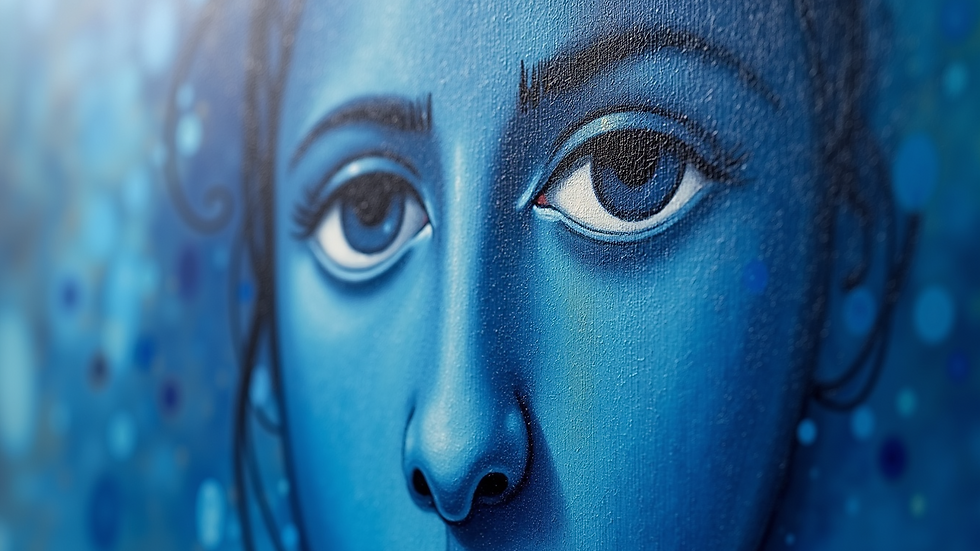
The Blue Period and Rose Period show early signs of emotional abstraction, with melancholic blues and warm pinks conveying mood rather than detail. Then came the breakthrough with Cubism around 1907-1914, which marked a radical shift.
Throughout his life, Picasso continued to push boundaries. He dabbled in Surrealism, Neoclassicism, and even sculpture, always incorporating abstract elements. This constant evolution is a testament to his restless creativity and refusal to be confined by one style.
For those looking to invest in art, recognising the phases of Picasso’s abstract style can guide you in choosing works that fit your taste and collection goals. Whether you prefer the emotional depth of his Blue Period or the bold innovation of Cubism, there’s a Picasso piece that speaks to you.
What is Picasso's Most Famous Piece of Artwork?
If you ask anyone about Picasso’s most famous artwork, the answer is almost always Guernica. This monumental painting is a powerful political statement against the horrors of war, created in response to the bombing of the Basque town of Guernica during the Spanish Civil War.
Guernica is a sprawling, monochromatic masterpiece filled with distorted figures and chaotic scenes. It’s a prime example of Picasso’s abstract techniques used to convey intense emotion and social commentary. The fragmented forms and stark contrasts force you to confront the tragedy and suffering depicted.
This piece is not just art; it’s a historical document and a symbol of peace. For collectors and designers, Guernica represents the profound impact abstract art can have beyond aesthetics. It’s a reminder that art can be a voice for change and reflection.

How to Appreciate and Display Picasso’s Abstract Art
Appreciating Picasso’s abstract art is about more than just looking. It’s about feeling and interpreting. Here are some tips to deepen your connection with his work:
Take your time - Abstract art reveals more the longer you engage with it.
Look for emotions - What feelings does the piece evoke? Joy, sadness, confusion?
Consider the context - Knowing the story behind the artwork enriches your experience.
Notice the details - Shapes, colours, and lines all contribute to the overall message.
When it comes to displaying Picasso’s abstract art, think about the space and lighting. Bold pieces like his Cubist works can become focal points in a room. Pair them with minimalist decor to let the art shine. For more subtle pieces, consider grouping them with complementary artworks to create a narrative.
If you’re interested in exploring or acquiring abstract art by Picasso, platforms like Jacqueline Zoffany ART offer unique pieces that capture the spirit of his techniques, perfect for collectors and interior designers seeking something truly special.
Bringing Picasso’s Abstract Spirit into Your Space
Incorporating Picasso’s abstract art into your environment is more than decoration - it’s an expression of personality and taste. Whether you’re curating a private collection or designing a living space, these artworks add depth and conversation.
Here are some practical recommendations:
Mix and match styles: Combine Picasso’s abstract pieces with modern or vintage furniture for an eclectic look.
Use colour strategically: Let the artwork’s palette influence your room’s colour scheme.
Create a gallery wall: Showcase multiple pieces to tell a story or highlight different phases of Picasso’s work.
Invest in quality framing: Proper framing enhances the artwork’s impact and protects your investment.
Remember, abstract art invites interpretation. Don’t be afraid to let your personal taste guide your choices. After all, art is about connection and expression.
Exploring Picasso’s abstract techniques opens a window into a world where form and feeling intertwine. His legacy continues to inspire and challenge us, proving that art is not just seen but experienced. Whether you’re drawn to the bold geometry of Cubism or the emotional power of Guernica, Picasso’s work offers endless fascination and inspiration. So why not bring a piece of that magic into your own space?


Comments