


Building an Impressive Abstract Art Portfolio
- Jacqueline Hurley
- Nov 3, 2025
- 3 min read

Creating an abstract portfolio that truly stands out is both an art and a strategy. When I first started curating my collection, I quickly realised it’s not just about showcasing your best pieces. It’s about telling a story, evoking emotions, and inviting viewers into your unique world. Whether you’re an artist or a collector, understanding how to build an abstract portfolio creation can transform how your work is perceived and appreciated.
Why Abstract Portfolio Creation Matters
You might wonder, why put so much effort into crafting a portfolio? Well, think of your portfolio as your artistic handshake. It’s the first impression, the visual resume, and the emotional connection all rolled into one. A well-curated abstract portfolio creation helps you:
Highlight your unique style: Abstract art is incredibly diverse. Your portfolio should reflect your personal voice and vision.
Attract the right audience: Whether it’s interior designers looking for statement pieces or collectors seeking emotional resonance, your portfolio guides them.
Showcase versatility and depth: Including a range of works demonstrates your ability to explore different themes, techniques, and moods.
Build credibility: A professional, cohesive portfolio signals seriousness and dedication to your craft.
When I was assembling my own collection, I focused on these points. It made a huge difference in how galleries and buyers responded.
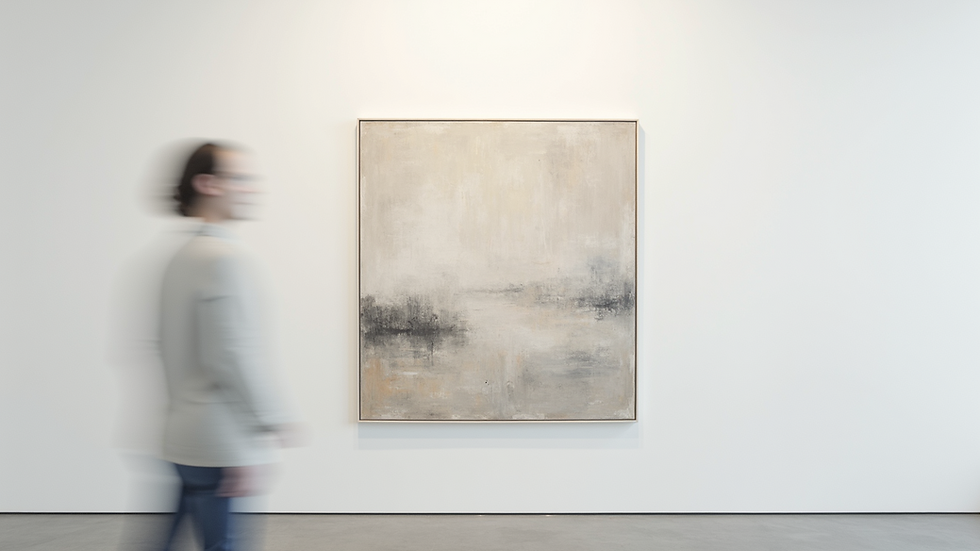
Steps to Craft Your Abstract Portfolio Creation
Let’s break down the process into manageable steps. You don’t need to rush. Take your time to reflect on each stage.
1. Select Your Best and Most Representative Works
Start by gathering all your pieces. Then, be ruthless. Ask yourself:
Does this piece reflect my style and vision?
Does it evoke the emotions I want to share?
Is it technically strong and well-executed?
Aim for quality over quantity. A portfolio of 10-15 strong pieces is often more impactful than a sprawling collection.
2. Create a Cohesive Narrative
Your portfolio should tell a story. Maybe it’s about your journey as an artist, your exploration of colour and form, or your response to a particular theme. Group your works in a way that flows naturally. This could be chronological, thematic, or based on technique.
3. Pay Attention to Presentation
How you present your work matters. High-quality images are a must. Use natural lighting and neutral backgrounds to let your art shine. Consider including close-ups to highlight texture and detail.
4. Write Engaging Descriptions
Each piece deserves a short description. Share your inspiration, the materials used, or the emotions behind it. This adds depth and invites viewers to connect on a personal level.
5. Choose the Right Platform
Whether you’re creating a physical portfolio or an online gallery, pick a platform that suits your style and audience. For online portfolios, websites like Jacqueline Zoffany ART’s collection offer great examples of how to showcase abstract art effectively.
The Role of Emotion and Expression in Abstract Art
Abstract art is all about feeling rather than form. When building your portfolio, think about the emotional journey you want to take your audience on. Ask yourself:
What feelings do my pieces evoke?
How do colours, shapes, and textures contribute to this?
Can I create a balance between intensity and calm?
For example, a series of bold, vibrant works might convey energy and passion, while softer, muted pieces could evoke tranquility and introspection. Mixing these thoughtfully can create a dynamic and engaging portfolio.

Practical Tips for Artists and Collectors
Whether you’re assembling your own portfolio or curating a collection, here are some actionable tips:
Keep updating: Your portfolio should evolve as your style and skills grow.
Seek feedback: Share your portfolio with trusted peers or mentors for constructive criticism.
Consider framing and display: Presentation can elevate the impact of your work.
Document provenance: Keep records of your pieces’ creation dates, exhibitions, and sales.
Use social media wisely: Platforms like Instagram can amplify your reach but keep your portfolio consistent and professional.
Bringing It All Together
Building an abstract portfolio creation is a rewarding journey. It’s about more than just assembling images; it’s about crafting an experience that resonates deeply. By focusing on quality, narrative, emotion, and presentation, you can create a portfolio that not only showcases your talent but also connects with those who appreciate the power of abstract art.
If you’re curious to see how this looks in practice, take a moment to explore this abstract art portfolio. It’s a wonderful example of how thoughtful curation and passionate expression come together beautifully.
Remember, your portfolio is your voice. Make it speak loudly and clearly.


Comments